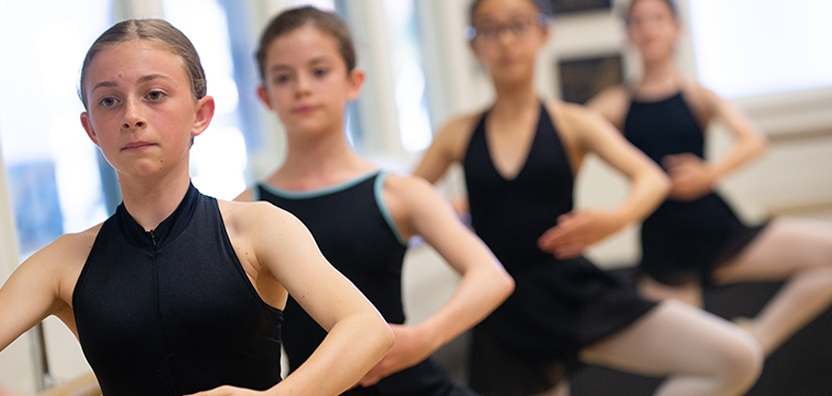
January is one of the best times for a child to start dance because it combines the fresh-start energy of the new year with all the well‑documented benefits of regular physical activity and structured extracurriculars.
1. Perfect timing for healthy new habits
Families often use January to reset routines and build new healthy habits. Health organizations emphasize that regular physical activity is essential for children’s growth and long‑term health, and that building these habits early helps them stick. The CDC notes that physical activity for children improves brain health, academic performance, muscular fitness, and heart and lung health, and helps maintain a healthy weight.
Health Benefits of Physical Activity for Children – CDC:
https://www.cdc.gov/physical-activity-basics/health-benefits/children.html
January naturally feels like a “clean slate,” which behavior‑change and goal‑setting experts say is a powerful psychological moment to start new routines and stick with them. Signing up for dance now lets families turn New Year motivation into a concrete, weekly habit that supports health all year.
2. Supporting immune health and winter wellness
Winter is a time when kids are indoors more and illnesses are more common. Pediatric health resources point out that consistent physical activity supports the immune system and helps children stay healthier year‑round by improving cardiovascular health, weight management, and overall fitness.
The Benefits of Pediatric Physical Activity and Sports (summarizes CDC guidance):
https://mountainfamily.org/news/the-benefits-of-pediatric-physical-activity-and-sports/
The Benefits of Regular Exercise for Children – Mental Health Association of Western New York:
https://mhawny.com/2025/06/17/the-benefits-of-regular-exercise-for-children-promoting-physical-health-and-well-being/
Indoor dance classes provide warm, structured movement during colder months, giving children a way to stay active when playground time may be limited.
3. Boosting mood and mental health after the holidays
After the excitement of the holidays, many children experience a dip in mood or motivation. Research on extracurricular activities shows that organized hobbies and classes are linked to better mental health, higher self‑esteem, and a stronger sense of belonging.
A youth mental‑health fact sheet notes that students who participate regularly in extracurriculars are less likely to report anxiety or depression and more likely to feel connected and engaged.
Extracurriculars and Youth Mental Health – Wisconsin Office of Children’s Mental Health (PDF):
https://children.wi.gov/Documents/ResearchData/OCMH%20Fact%20Sheet_July%202025_Extracurriculars%20and%20Youth%20Mental%20Health.pdf
Dance is a particularly powerful extracurricular, because it combines exercise, music, creativity, and social interaction—all of which research links to reduced stress and improved emotional well‑being in children. January is an ideal time to give kids a positive, regular outlet right as school is ramping up again.
4. Aligning with school routines and attention skills
January usually marks the return to more structured school routines after a long break. Dance classes complement this by training focus, listening, and memory. Children learn to follow multi‑step directions, remember sequences of steps, and coordinate movement with timing—skills that support attention and classroom learning.
Research on physical activity and child development shows that regular movement can improve concentration, executive function, and academic performance.
The Power of Play – Helping Kids Build Healthy Habits Early (Cone Health):
https://www.conehealth.com/play/the-power-of-play-helping-kids-build-healthy-habits-early/
For children who struggled with focus or transitions in the first half of the school year, starting dance in January can provide a second-half boost in structure, self‑regulation, and confidence.
5. A fun, sustainable way to keep New Year fitness goals
Family health resources stress that the best way to maintain fitness resolutions is to choose activities that are truly enjoyable, not a chore. When movement is fun, kids are much more likely to keep doing it.
Healthy Habits for Your Family in the New Year – Phoenix Children’s:
https://phoenixchildrens.org/articles-faqs/blog/healthy-habits-your-family-new-year
How to Make Achievable Fitness Resolutions for the New Year – Bayou Bend Health:
https://www.bayoubendhealth.org/how-to-make-achievable-fitness-resolutions-for-the-new-year
Dance naturally feels like play—music, friends, costumes, and creativity—so it fits perfectly with expert advice: make activity fun, social, and something children look forward to. Starting in January turns dance into the anchor activity that helps the whole family keep moving all year.
Sources
- CDC – Health Benefits of Physical Activity for Children
- https://www.cdc.gov/physical-activity-basics/health-benefits/children.html
- Mountain Family Health – The Benefits of Pediatric Physical Activity and Sports
- https://mountainfamily.org/news/the-benefits-of-pediatric-physical-activity-and-sports/
- Mental Health Association of Western New York – The Benefits of Regular Exercise for Children
- https://mhawny.com/2025/06/17/the-benefits-of-regular-exercise-for-children-promoting-physical-health-and-well-being/
- Wisconsin Office of Children’s Mental Health – Extracurriculars and Youth Mental Health (PDF)
- https://children.wi.gov/Documents/ResearchData/OCMH%20Fact%20Sheet_July%202025_Extracurriculars%20and%20Youth%20Mental%20Health.pdf
- Cone Health – The Power of Play!: Helping Kids Build Healthy Habits Early
- https://www.conehealth.com/play/the-power-of-play-helping-kids-build-healthy-habits-early/
- Phoenix Children’s – Healthy Habits for Your Family in the New Year
- https://phoenixchildrens.org/articles-faqs/blog/healthy-habits-your-family-new-year
- Bayou Bend Health – How to Make Achievable Fitness Resolutions for the New Year
- https://www.bayoubendhealth.org/how-to-make-achievable-fitness-resolutions-for-the-new-year