

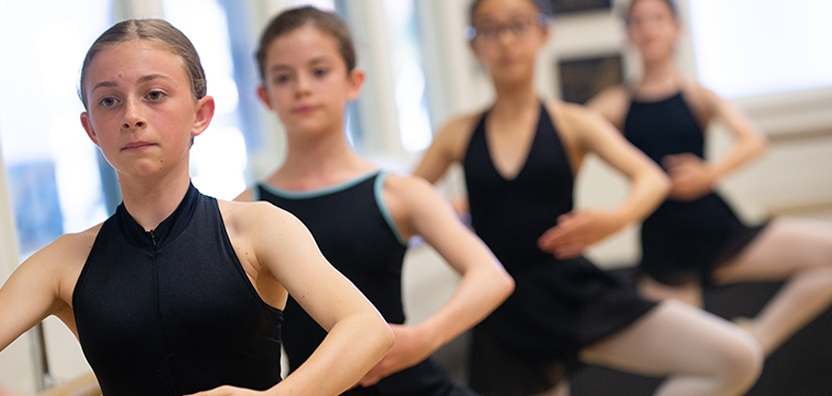
Continuing dance lessons in the summer is not just “extra”—it’s a research‑supported way to keep children healthy, confident, and ready to learn when school starts again.
1. Summer is still part of the 12‑month health picture
Public‑health guidelines stress that kids need regular physical activity all year, not just during the school year. The CDC recommends that children and adolescents ages 6–17 get at least 60 minutes of moderate‑to‑vigorous physical activity every day, and notes that staying active over the summer helps them prepare mentally, physically, and emotionally for the upcoming school year.
CDC – Summer and Health (Physical Education and Physical Activity):
https://www.cdc.gov/physical-activity-education/staying-healthy/summer.html
CDC – Physical Activity Guidelines for School‑Aged Children and Adolescents:
https://www.cdc.gov/physical-activity-education/guidelines/index.html
Dance classes in June, July, and August give children a consistent, enjoyable way to meet these movement goals, rather than relying on unstructured activity that may or may not happen.
2. Preventing “summer slide” in skills and confidence
Educators warn about the “summer slide”—loss of skills and momentum when regular practice stops. While this is often discussed for reading and math, similar principles apply to physical and performance skills. Educational agencies and nonprofits recommend summer programs, hobbies, and structured activities to keep children’s brains and bodies engaged so they don’t lose progress made during the school year.
Orange County Department of Education – 5 Ways to Help Prevent Summer Learning Loss:
https://newsroom.ocde.us/five-strategies-to-help-combat-summer-learning-loss/
Children’s Health – 8 Summer Activities to Avoid Learning Loss:
https://www.childrens.com/health-wellness/ways-to-avoid-summer-learning-loss
Boys & Girls Clubs of America – 5 Ways to Stop the Summer Slide:
Dance relies on muscle memory, balance, rhythm, and coordination, all of which are strengthened by repeated practice. A long break can leave children feeling “out of shape” or behind peers in the fall, which may affect confidence. Continuing through summer helps them:
- Maintain and refine technique.
- Remember combinations and patterns.
- Return in September feeling strong instead of “starting over.”
3. Supporting mental health and reducing screen time
Research on extracurricular activities and mental health finds that children and teens who spend more time in organized activities like sports and arts, and less time on screens, have better mental health outcomes. A large study of over 28,000 students showed that participation in extracurriculars was associated with higher life satisfaction and optimism, and lower anxiety and depressive symptoms.
Study summary – Teens who participate in extracurriculars and have better mental health (University of British Columbia / Preventive Medicine):
Mental‑health brief – Extracurriculars and Youth Mental Health (Wisconsin Office of Children’s Mental Health, PDF):
Summer dance:
- Provides structured, enjoyable time away from screens.
- Gives kids a weekly routine, which pediatric and mental‑health experts say can stabilize mood and reduce boredom‑related behavior.
CDC – Give Your Kids a Healthy and Active Summer (PDF tip sheet):
Elmwood Pediatrics – Promoting Mental Health Through Recreation and Leisure:
https://elmwoodpediatrics.com/posts/news/promoting-mental-health-through-recreation-and-leisure/
4. Keeping kids fit and ready for fall activities
Pediatric guidance notes that summer can be a good time to build strength, fitness, and confidence because kids may have more flexible schedules. Boys Town Pediatrics, echoing CDC recommendations, reminds parents that children should exercise for at least 60 minutes every day, including activities that strengthen heart, muscles, and bones.
Boys Town Pediatrics – Staying Fit in the Summer:
https://www.boystownpediatrics.org/knowledge-center/staying-fit-summer
Dance naturally includes:
- Aerobic activity (across‑the‑floor work, jumps, traveling steps).
- Muscle‑strengthening (holding positions, core and leg work).
- Bone‑strengthening (jumps and weight‑bearing moves).
Continuing in summer means children don’t lose the fitness they gained during the year, and they’re better prepared for school PE, sports, and fall dance choreography.
5. A fun way to meet summer health goals
The CDC’s summer health guidance for families suggests setting goals like “get 60 minutes of physical activity each day,” “get outside when possible,” “try new activities,” and “practice positive thinking.”
CDC – Summer and Health:
https://www.cdc.gov/physical-activity-education/staying-healthy/summer.html
Dance fits these goals because it is:
- Enjoyable – kids are more likely to stick with activities they find fun and social.
- Varied and creative – they can explore new styles, music, and choreography in summer classes and camps.
- Confidence‑building – mastering new skills and routines supports positive thinking and self‑esteem.
In summary
Continuing dance lessons in the summer:
- Helps children meet year‑round physical‑activity guidelines.
- Prevents skill and confidence loss by keeping coordination and technique sharp.
- Supports mental health, reduces excessive screen time, and maintains a sense of routine and belonging.
- Builds fitness and readiness for the new school year and other activities.
For families, it’s one of the most effective—and enjoyable—ways to keep kids moving, growing, and thriving all summer long.