- Dance Classes & Music Lessons
- 310.406.1730


At Home Confidence Kit: Piano/ Keyboard
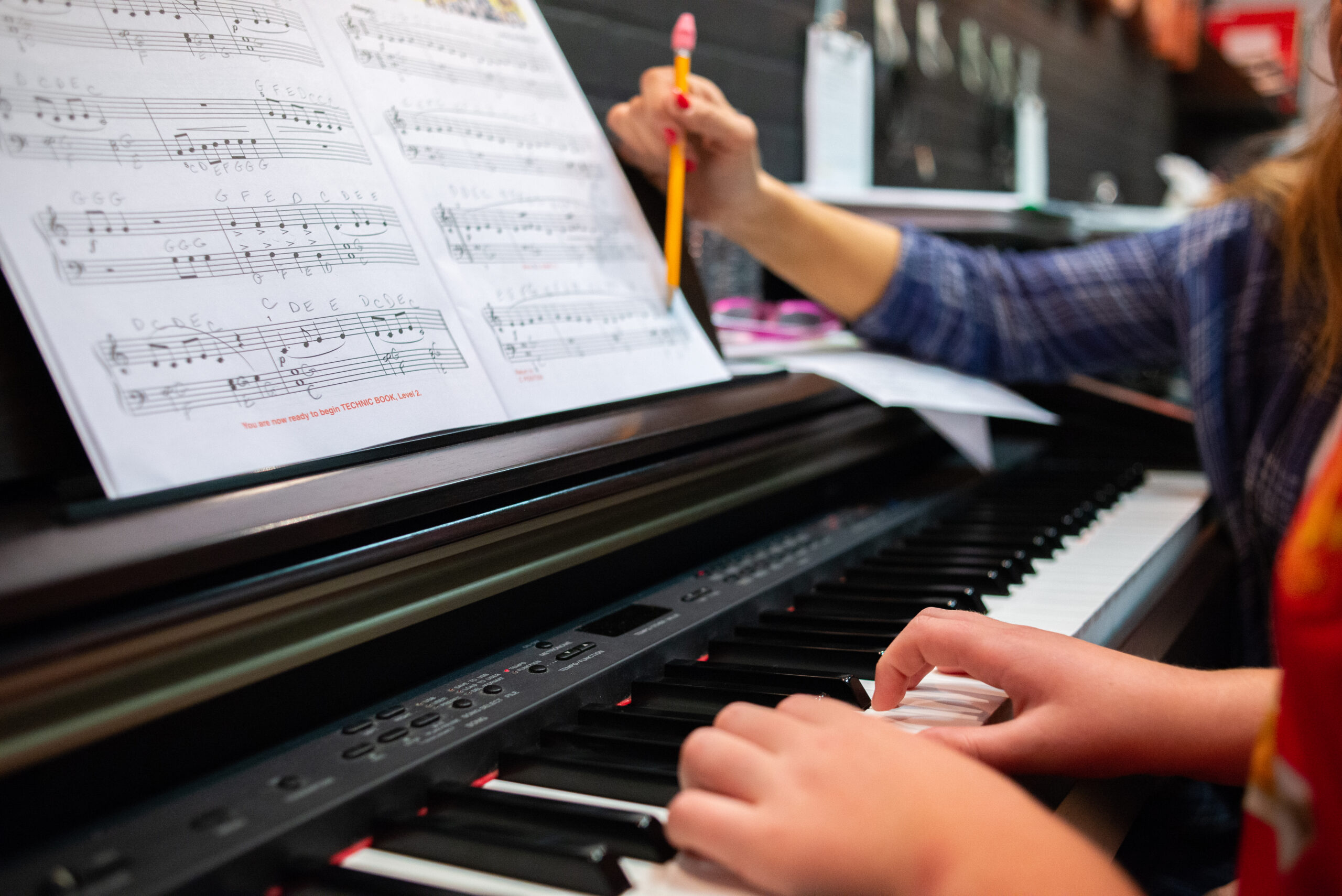
Early age piano students are exploring and building basics, not concertos. Short, playful lessons build the foundations for rhythm, listening, and confidence.
Older piano students have owenership: real reading, longer pieces, stronger technique, and using music as part of who they are. This includes both older students may be brand‑new to Piano, or those have played for years.
What You Piano Student is Working On
Younger Piano Student:
Sit at the piano with good posture (feet on a stool, sitting tall)
Use finger numbers and keep a gentle, curved hand shape
Hear and find high vs low, loud vs soft, fast vs slow
Clap and play simple steady beats
Remember and copy very short patterns (2–4 notes)
Follow 1–2 step instructions (“play 2 black keys, then rest”)
Older Piano Student:
Sit with consistent posture and relaxed, curved hands
Read notes on the staff in both hands (not just finger numbers)
Keep a steady beat and count basic to intermediate rhythms
Coordinate right and left hands together on longer sections
Tackle pieces with multiple sections from beginning to end
Practice more independently and plan 15–30 minute sessions
Perform with growing expression and stage presence
Younger Piano Student:
Each time your child has one of these ‘wins,’ add a sticker or checkmark. At the end of 30 days, celebrate how far they’ve come.
Came to the piano without a big fight
Sat with “piano posture” (feet still, sitting tall) for a short song
Used the right finger number at least once
Followed a multi‑step correction (e.g., fix arms + timing + direction)
Played high notes when you said “high,” low notes when you said “low”
Clapped or tapped a steady beat with you
Finished a tiny song from beginning to end (even if it was wobbly)
Tried again after a “wrong” note without melting down
Showed you a “song” they made up
At the end of 30 days, point out 2–3 things they can do now that they couldn’t or wouldn’t do on day 1. That’s what progress looks like at young ages.
Older Piano Student:
This chart is more about habits and mindset than perfection. Each time one of these happens, mark it. At the end of 30 days, talk about the kind of musician they’re becoming.
Sat at the piano and started on their own (even once)
Practiced at least 15 minutes in a day
Practiced 3+ days in a week
Counted out loud while playing a tricky rhythm
Broke a problem section into small parts (instead of just running the whole piece)
Fixed a mistake without getting upset
Took a correction from their teacher and worked on it
Chose and started learning a song they genuinely care about
Played for a family member, friend, recital, or school event
Younger Piano Student:
1. High–Low Treasure Hunt
Say: “Can you find a HIGH note?” (right side of keyboard)
Then: “Can you find a LOW note?” (left side)
Hide a small sticker or toy and only give clues with “higher” / “lower” while they play.
Builds: keyboard geography, listening, fun.
2. Copy‑Cat Fingers
Play 2–3 simple notes with one hand.
Ask them to “copy your fingers” on the same keys.
Then let them play a short pattern and you copy them.
Builds: finger awareness, copying, confidence.
3. Rhythm Echo
Clap a simple pattern (clap–clap–pause–clap).
Have them clap it back.
Then try the same pattern on one piano key.
Builds: steady beat and memory.
Older Piano Student:
1. Measure Challenge
Pick one measure or short section that’s hard.
Ask them to play just that spot 3–5 times in a row, no stopping.
Celebrate when it’s smoother.
Builds: focused practice instead of mindless run‑throughs.
2. Micro‑Goal Check‑In
Once a week, ask:
“What’s your one piano goal this week?”
End of week: “How did it go?”
Builds ownership and accountability without nagging.
3. Mini Recital + Reframe
Once a week:
Ask: “Play this like it’s your recital – all the way through. If there’s a mistake, you just keep going.”
Before: “Your job isn’t to be perfect. Your job is to share the music with the skills you have today.”
After: “What went better than you expected?” / “What did you learn for next time?”
Builds: performance mindset and resilience.
Younger Piano Student:
Older Piano Student: