- Dance Classes & Music Lessons
- 310.406.1730


At Home Confidence Kit: 3-4½ Year Old
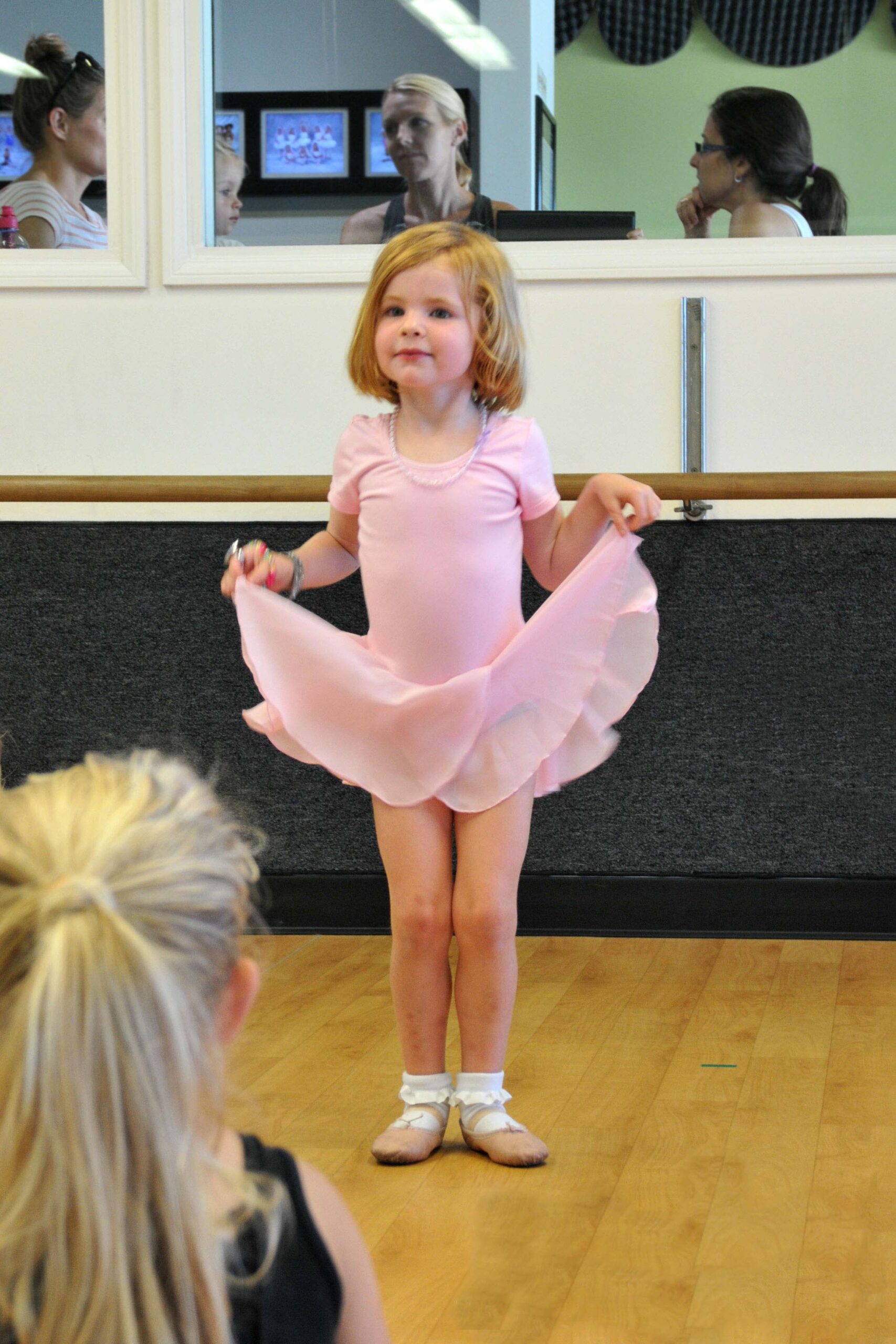
At this age, success isn’t perfect pirouettes. It’s being brave enough to walk in without you, listen to the teacher, and join in more each week. Here’s what our 3–4½‑year‑olds are practicing all year:
Coordination & Movement
Small hops and two‑foot jumps with better control
Walking and stepping side‑to‑side with balance
Pointing toes and stretching legs “on purpose”
Briefly balancing on one foot
Using props in specific ways
Simple turns and spins
Dance steps they touch (just to name a few):
Ballet: Point/Flex, First Position, Tip Toes, Battement, Chassé, Passé, Arabesque, Jeté, Sauté, Second Position, Piqué
Tap: Toe/Heel drops, Shuffles, Stomps, Gallops, Ball Change, Rocking Chair
Jazz: Isolations (head/shoulders/hips), twists, knee bounces, grapevine, little jumps
What you might notice at home:
More hopping, twirling, walking on “tippy toes,” or showing you “my ballet feet.”
Listening & Thinking Skills
Following 1‑ and simple 2‑step directions (“clap then stomp,” “tip toe then freeze”)
Repeating short patterns (march–clap–twirl)
Matching moves to music (start/stop, fast/slow)
Remembering and copying 2–3 step “dances”
Staying with an activity for 5 minutes before switching
What you might notice at home:
They copy a little sequence, tell you “teacher said…,” or stay with a game a bit longer.
Social & Emotional Skills
Separating from you with a quick goodbye
Joining group circles and lines
Taking turns and sharing space/props
Showing excitement for group dances or “shows”
Expressing themselves with bigger arms, faces, and movement
What you might notice at home:
Talking about “my class” or “my friends,” asking “when is dance?”, wanting to show you “our dance.”
Music & Creativity
Moving on the beat more consistently
Changing movement when the music changes (fast vs slow, loud vs soft)
Pretending to be animals, fairies, superheroes, etc.
Creating simple movement “stories” with the teacher
What you might notice at home:
More made‑up dances, pretend play tied to music, “performances” in the living room.
Each time your child has one of these ‘wins,’ add a sticker or checkmark. At the end of 30 days, celebrate how far they’ve come.
Walked into the studio with a quick goodbye
Went into the classroom without you (or with less help than before)
Stayed in class the whole time
Followed a 1‑ or 2‑step direction from the teacher
Took a turn and then waited while others had theirs
Used a prop (scarf, wand, etc.) the way the teacher asked
Remembered and showed you any part of their dance at home
Talked about class, the teacher, or friends later
Smiled, laughed, or looked proud during class
Asked “when is dance?” or “can I show you my dance?”
1. Clap–Stomp–Twirl
Create a tiny pattern: “clap–clap, stomp–stomp, twirl.”
Do it together a few times.
Then ask, “Can you remember it and show me by yourself?”
Let them make up their own 3‑step pattern for you to follow.
Builds: listening, simple choreography, feeling proud teaching you.
2. Fast–Slow Freeze
Put on a song.
Say “When the music is slow, we tip toe and float. When it’s fast, we jump and march!”
Pause the music and say “FREEZE!” – both of you freeze in a silly ballet pose.
Builds: responding to tempo, start/stop, having fun with rules.
3. Magic Wand Turns
Use a wooden spoon, pencil, or actual wand as “magic.”
Point the wand and say: “When I touch your shoulder, you do ONE ballet move – tip toes, spin, or jump, then freeze.”
Then let them be the one with the wand.
Builds: taking turns, matching moves to a cue, imagination.