- Dance Classes & Music Lessons
- 310.406.1730


At Home Confidence Kit: 14-17 Year Olds
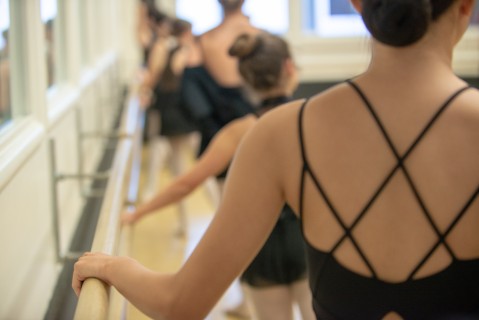
High school dancers are juggling identity, body changes, social pressure, and skill building. Some are brand‑new, some have danced for years, and some are on a serious track. Your job shifts from “manager” to “support system.”
Coordination & Movement
More advanced leaps and jumps (switch leaps, tour jeté, axels, etc.)
Genre‑specific precision (ballet vs jazz vs hip hop vs contemporary)
Long, strong extensions with control and style
Multiple turns and more complex turn sequences
Prop and partner work inside choreography
Possibly pointe or other advanced work that needs real strength and care
What you might notice at home:
Them drilling combos, stretching more, or obsessing over tiny technical details.
If they’re newer, you’ll see basics (positions, simple turns, balance) get steadier over time.
Brain & Memory Skills
Handle layered, abstract, multi‑step directions
Memorize longer, more complex routines (sometimes across styles)
Maintain focus for 90–120 minutes of solid work
Start thinking more like pre‑pros: placement, auditions, goals
What you might notice at home:
Planning practice time, running multiple pieces, talking about training load and goals.
If they’re new, you’ll see them slowly remember more without needing as many reminders.
Social & Emotional Skills
Leading peers, helping younger dancers, or assisting classes
Navigating critique, comparison, casting, and body image
Balancing school, dance, and some kind of social life
Defining their own relationship to dance (serious track vs “my place to belong”)
What you might notice at home:
High highs after wins, low lows after setbacks
Questions like “Am I good enough?” or “Is this worth it?” that need listening, not fixing.
Music & Creativity
Dance with more emotional nuance and narrative
Shape choreography with style and intention, not just “do the steps”
Create their own work (solos, TikToks, choreography assignments)
Use dance as one of the ways they understand who they are
What you might notice at home:
Choreographing in their room, emotional improv, or using dance to process life.
This is more about mindset and habits than tricks. Each time one of these happens, mark it. At the end of 30 days, look at who you’re becoming.
Managed their own schedule (bag, rides, homework planning around dance)
Took a tough correction or casting and stayed engaged
Chose practice over scrolling at least once that week
Talked about a class or rehearsal in terms of learning, not just “good/bad”
Helped a younger dancer or supported a peer
Set a small goal for the week and followed through
Advocated for themselves appropriately (asked a teacher a question, asked for a modification if injured)
Caught negative self‑talk and reframed it (“I’m behind” → “I’m still building this skill”)
Took rest seriously at least one day (sleep, stretching, recovery)
Talked honestly with you about how they’re feeling about dance
1. Monthly Reset Chat (10 minutes)
Once a month, ask:
“What are you proud of from this month in dance?”
“What’s one thing you want to improve next month?”
“Is there anything you need from me to support that?”
Then just listen. No fixing unless they ask.
2. Micro‑Goal Text
“What’s your one dance goal for this week?”
On Sunday: “How did it go?”
Builds ownership and accountability without nagging.
3. 2‑Minute Celebration
After a show / big rehearsal / rough class:
“Before we talk about anything else, what’s one thing you did well today?”
Add one thing you noticed, then let it go.