

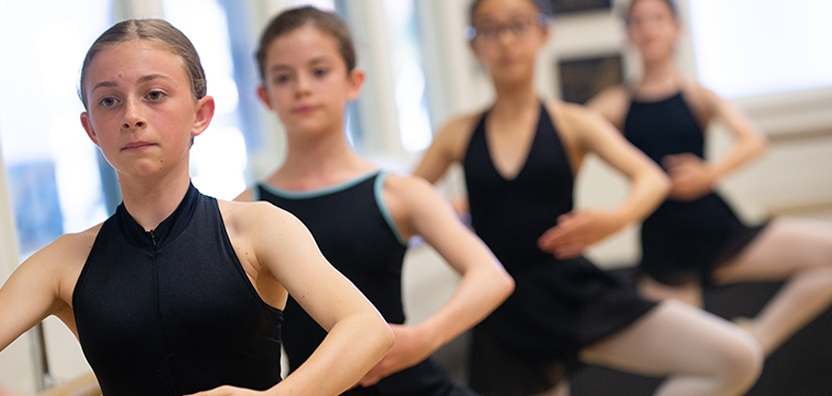
Dance camp is one of the strongest summer choices you can make for a child, because it combines everything research says kids need from camp—movement, creativity, social connection, and skill‑building—into one experience.
Ages 3–5: Playful movement with big developmental benefits
For preschoolers, dance camp is really creative movement + summer camp structure.
Research on early childhood dance and creative movement shows that guided movement helps young children:
-
Develop motor skills and body awareness (stretching, jumping, spinning, balancing).
-
Practice coordination, posture, and spatial awareness.
-
Explore feelings and imagination through movement and pretend play.
The Benefits of Creative Movement Dance for Young Children:
https://northpointedance.com/the-benefits-of-creative-movement-dance-for-young-children/
Early childhood dance education studies also note that dance supports social and emotional development, as children learn to:
-
Take turns and follow group cues.
-
Cooperate in simple group dances and games.
-
Express emotions non‑verbally in a safe, playful setting.
Why summer camp matters here:
Research on summer camps shows that even short camp sessions help young children build independence, social comfort, and a sense of belonging in a supervised environment. The American Camp Association’s national outcomes study found that camp experiences improve:
-
Self‑esteem
-
Peer relationships
-
Independence
-
Social comfort and friendship skills
National Outcomes Study – American Camp Association:
https://www.acacamps.org/resources/national-outcomes-study-program-improvement-project
For ages 3–5, a dance‑based summer camp gives them:
-
Daily chances to move and practice coordination.
-
A gentle introduction to being in a group without parents, with caring adults and fun routines.
-
A safe place to pretend, create, and explore music and movement—exactly what early‑childhood experts recommend.
Ages 6–9: Skill‑building, confidence, and social growth
For children 6–9, dance camp becomes a powerful skill and confidence builder.
Dance education in early childhood and the early school years has been shown to:
-
Improve physical fitness, coordination, balance, and strength.
-
Support cognitive skills such as concentration, problem‑solving, and spatial reasoning.
-
Provide an outlet for emotional expression and self‑confidence.
The Importance of Dance in Early Childhood Education (overview of benefits):
http://www.dancedynamicslv.com/dd-blog/2023/9/5/the-importance-of-dance-in-early-childhood-education-for-nurturing-growth-and-development
Research on camp experiences in this age group also shows strong benefits. A national outcomes study and later impact studies from the American Camp Association and university partners found that high‑quality camp experiences promote:
-
Independence and responsibility.
-
Social awareness and friendship skills.
-
Leadership, decision‑making, and resilience.
ACA – Youth Development Outcomes of the Camp Experience:
https://www.acacamps.org/resources/directions-youth-development-outcomes-camp-experience
Empowering young people – impact of camp experiences (open‑access research article):
https://pmc.ncbi.nlm.nih.gov/articles/PMC10899333/
In a dance camp for ages 6–9, this translates into:
-
Technical and artistic growth: more time to work on alignment, turns, jumps, musicality, and choreography than in once‑a‑week classes.
-
Performance confidence: informal in‑camp “shows” and sharings help children practice being on stage in a low‑pressure setting.
-
Teamwork and friendship: group dances, warm‑ups, and games require cooperation, shared timing, and mutual support.
Because camp is immersive (several days in a row, often multi‑hour sessions), children get to see and feel their progress quickly, which research suggests increases motivation and self‑belief.
Why dance camp stands out among summer options
General summer‑camp research shows that camps of all kinds support youth development, but that outcomes are strongest when programs:
-
Offer engagement + belonging + active, hands‑on learning.
-
Provide supportive relationships with adults and peers.
-
Are attended across multiple summers.
American Camp Association – Breakthrough Study on Camp Benefits:
https://acanynj.org/breakthrough-study-from-american-camp-association-outlines-the-benefits-of-camp-experiences/
Dance camp naturally checks all of these boxes:
-
Engagement – music, movement, costumes, and creativity keep children actively involved.
-
Belonging – being “part of the group” in a class, team, or end‑of‑week performance.
-
Experiential learning – learning by doing: choreography, improvisation, games, and performance.
For 3–5‑year‑olds, dance camp is an ideal first camp experience that feels like playful movement and imagination.
For 6–9‑year‑olds, it’s a powerful way to deepen technique, build confidence, and strengthen friendships—while still getting all the broader social‑emotional benefits of summer camp documented in youth‑development research.
If a family is choosing just one summer activity, dance camp brings together movement, creativity, camp outcomes, and emotional growth in a single, research‑aligned choice.